
Plečnik’s Architectural Gem: The Church of St. Michael on the Marshes
Are you an architecture enthusiast captivated by sacred designs that blend innovation with tradition? Or perhaps a traveler seeking hidden treasures in Slovenia’s landscapes, or a church lover drawn to serene spiritual sites? Nestled in the misty Ljubljana Marshes, the Church of St. Michael (Cerkev sv. Mihaela na Barju) stands as a masterpiece by renowned Slovenian architect Jože Plečnik. This UNESCO-listed wonder isn’t just a place of worship—it’s a testament to human ingenuity overcoming nature’s challenges. Join us as we explore its history, unique features, and why it’s a must-visit for architects, pilgrims, and tourists alike.
Kratka zgodovina čudeža na močvirju
Built between 1937 and 1940 in the village of Črna Vas on the Ljubljana Marshes, this church was designed by Jože Plečnik at the request of his neighbor, the Trnovo parish priest Fran Saleški Finžgar. The marshy terrain posed significant challenges—soft, waterlogged soil that couldn’t support heavy structures.
Plečnik’s solution? Elevate the entire building on wooden piles, creating a structure that seems to float above the ground. Consecrated in 1940, it has since become one of Plečnik’s most original creations, blending local materials and classical influences. In 2021, it was added to the UNESCO World Heritage List as part of “The works of Jože Plečnik in Ljubljana – Human Centred Urban Design.”
This church isn’t Plečnik’s only sacral work—he transformed Ljubljana with projects like the National and University Library and the Triple Bridge—but St. Michael’s stands out for its adaptation to the environment. It’s a symbol of resilience, built during turbulent times between the world wars, and continues to inspire as a peaceful retreat.
Kratka zgodovinArchitectural Highlights: Innovation Meets Traditiona čudeža na močvirju
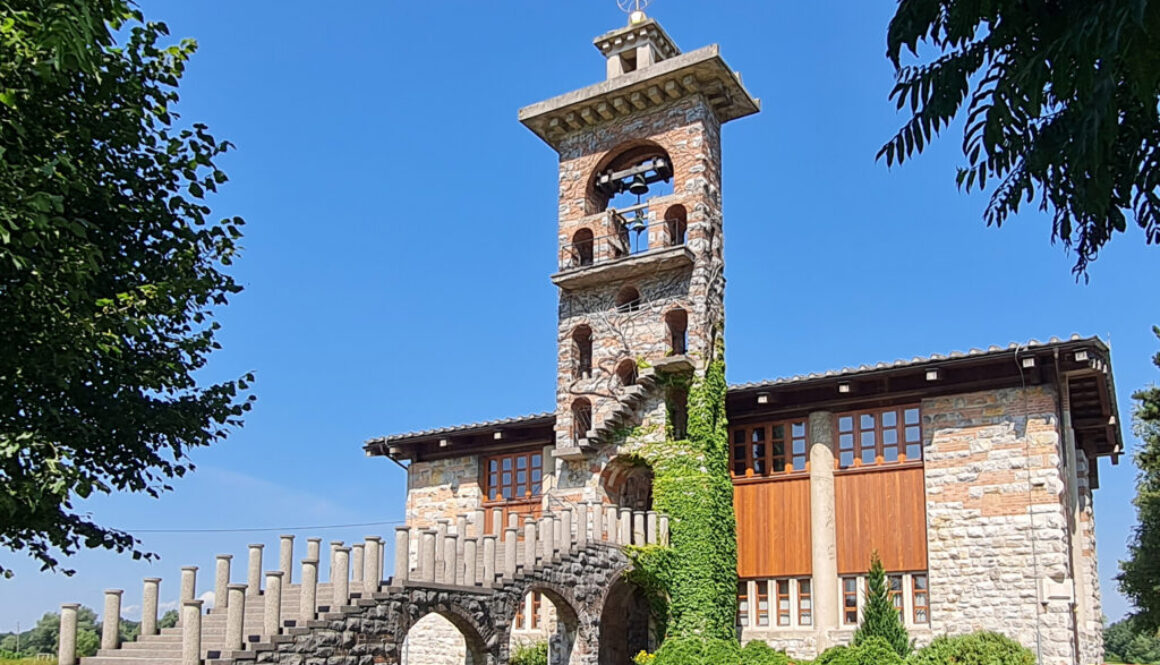
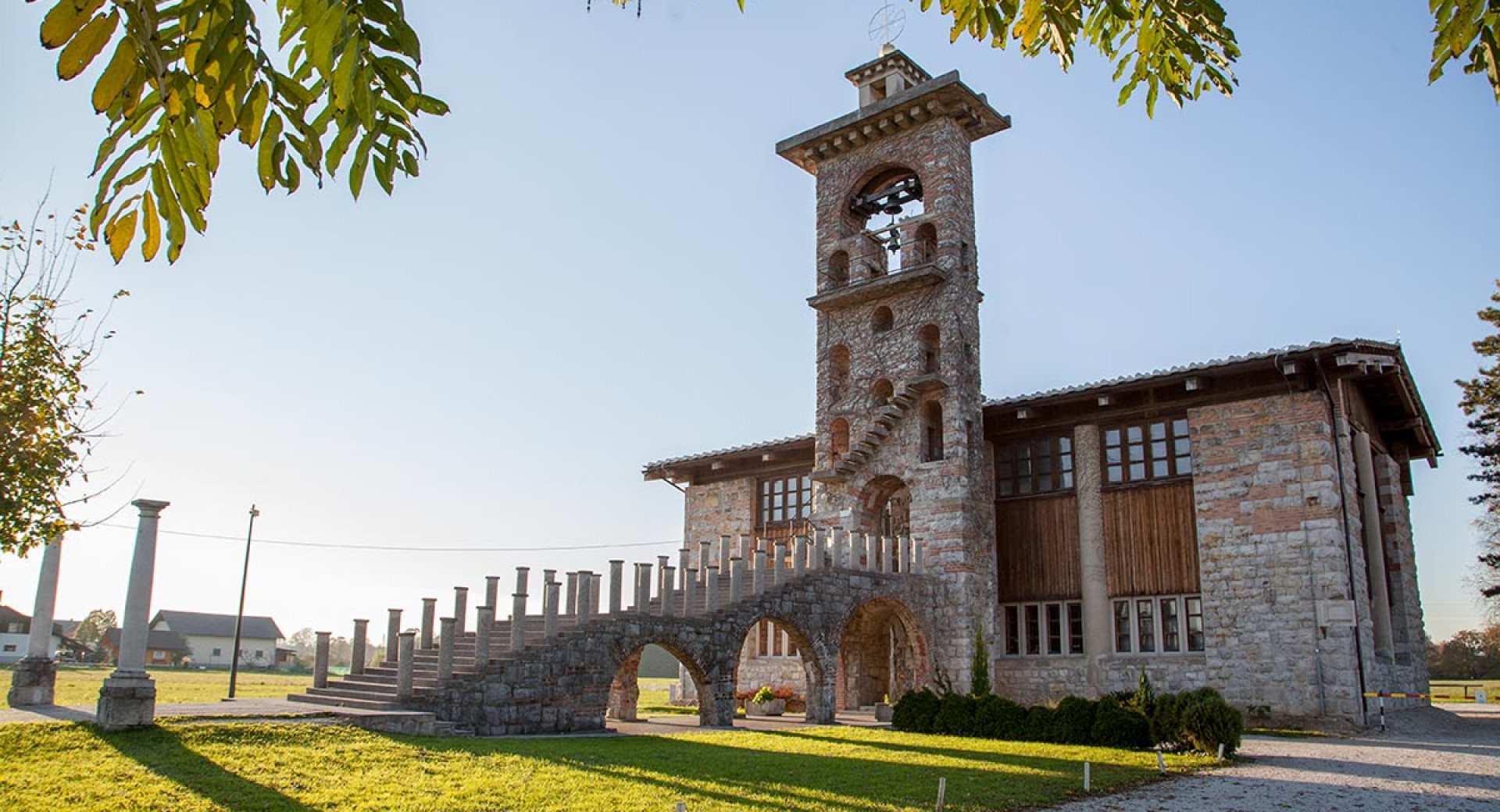
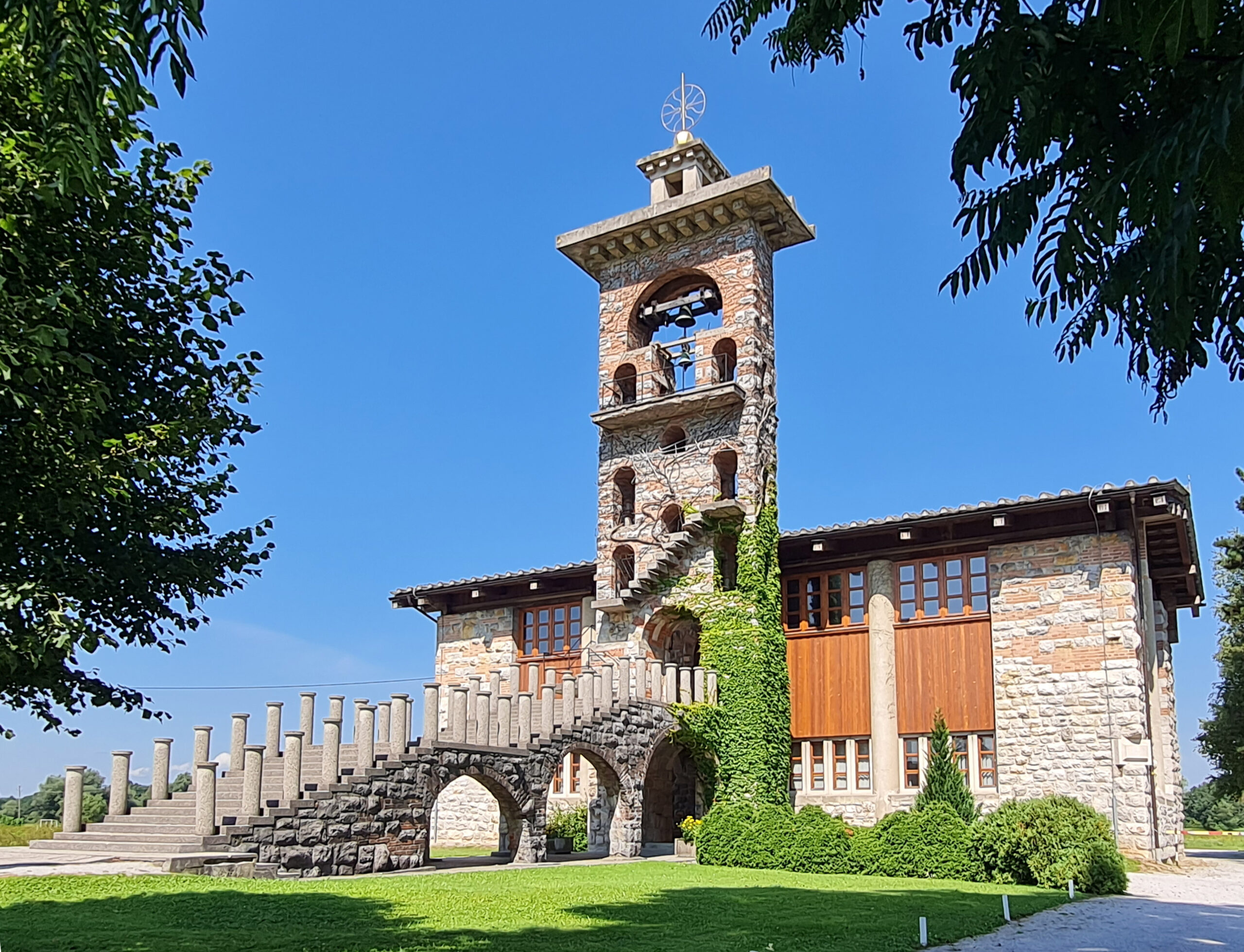
Plečnik’s design for St. Michael’s Church is a harmonious fusion of styles, drawing from Karst churches, Greek temples, Renaissance elements, and even local barns. The exterior features a striking bell tower with an open spiral staircase, allowing visitors to climb and enjoy panoramic views of the marshes. The entrance is accessed via an arched stone bridge supported by columns, evoking ancient aqueducts while providing elevation from potential floods.
Inside, the church reveals Plečnik’s genius in material use: wooden beams and panels contrast with stone walls, creating a warm, inviting space. The altar, choir loft, and furnishings—all designed by Plečnik—incorporate recycled elements like old columns and bricks, emphasizing sustainability long before it was trendy. The structure’s wooden framework, visible in parts, nods to traditional Slovenian architecture, while the overall form defies categorization, making it a favorite among sacral architecture scholars.
For photographers and nature lovers, the church’s location on the Barje offers stunning backdrops, especially at sunrise or sunset, when the light dances on the stone facade.
Why Visit? For Architects, Church Enthusiasts, and Tourists
If you’re into sacral architecture, this church exemplifies Plečnik’s “human-centered” approach, where form follows both function and the soul. It’s a case study in adapting to challenging sites, perfect for students and professionals.
Church lovers will appreciate its spiritual ambiance—dedicated to St. Michael, it hosts regular masses and events, offering a quiet space for reflection amid the vast marshes.
Tourists, meanwhile, can combine a visit with exploring Ljubljana’s other Plečnik sites or hiking the Barje nature trails. Just a short drive or bike ride from the city center, it’s an off-the-beaten-path gem that’s accessible yet feels worlds away. Pro tip: Visit in autumn for foggy mornings that enhance its mystical aura, or in summer for outdoor photography.
Whether you’re planning a cultural pilgrimage or a scenic day trip, the Church of St. Michael promises an unforgettable experience. Head to Črna Vas and discover why this “miracle of the marsh” continues to enchant visitors from around the world.
Source:
Visit Ljubljana